

Located in northern Italy at the foot of the Alps, Turin is a vibrant city with a population of around 848,000 and a metropolitan area exceeding 2 million inhabitants. Renowned for its historical and architectural significance, Turin is also a hub for innovation and sustainability, showcasing best practices in mobility, despite the high car usage. The public transport system includes a metro line that was opened for the 2006 Winter Olympics and progressively extended, almost 80 bus lines and seven tram lines. The city is also developing a Mobility as a Service (MaaS) platform to integrate transport options, alongside ongoing improvements to public transport services and campaigns to raise environmental awareness among residents.
Building on its experience, Turin participated for the 20th time in the annual “Mobility Week,” a European initiative promoting sustainable urban mobility from September 16 to 22. This week provided an opportunity to reflect on “shared public space” and further showcase the various initiatives Turin is implementing to achieve climate neutrality by 2030, all the while enhancing the city’s beauty, livability, and accessibility, with community interaction and sustainable practices at the heart of urban life.
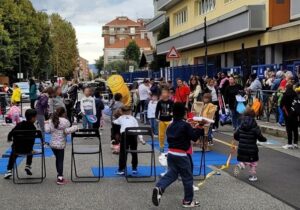 Throughout the week, experts, technicians, politicians, and citizens engaged in discussions about Turin’s evolving mobility needs, the future of urban mobility, and three major ongoing projects that will significantly change travel habits: the second metro line, serving the northeast-southwest axis, the pedestrianisation of Via Roma, the city centre main street, and the pedestrianisation of Piazza Baldissera, a very congested roundabout in northern Turin.
The week also featured biking activities, from education workshops to the launch of bike repair stations, all aimed at fostering a culture of cycling and enhancing urban livability. But what more can be done to give residents a taste of the upcoming changes?
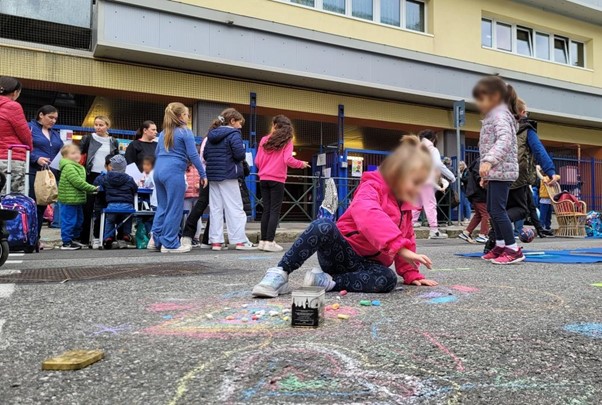
In this spirit of community involvement Mobility Week” is “the time of the year when new experiments for pedestrianisation and car-free schools are launched,” explained Councillor for Mobility and Ecological Transition, Chiara Foglietta. Areas closed to cars for a few days, weeks, or even months are planned well in advance with local districts and citizens. The goal is simple: to enhance the quality of life for everyone. These initiatives are already showing results. For instance, the street in front of Dewey Elementary School was closed to cars for a week in 2023. This year, it will remain closed for nearly twenty weeks, thus reflecting the desire for such an initiative, which not only reduces traffic congestion but also promotes healthier lifestyles from childhood. Over the years, some areas have become permanently pedestrianised, like the space in front of the church in Piazza Saluzzo, a lively square located in San Salvario, the most populated neighbourhood. This initiative can only increase accessibility to the square, encouraging social interaction and boosting local business.
Overall, this week provided a platform for dialogue and innovation, addressing today’s transportation challenges while promoting community involvement in sustainable practices. By prioritising pedestrian-friendly initiatives and transforming public spaces, Turin is not only envisioning a brighter, more inclusive future but also actively shaping it.


